Wildfire Landscaping: Defensible Space and Fire-Safe Yard Design
Design-Build Process
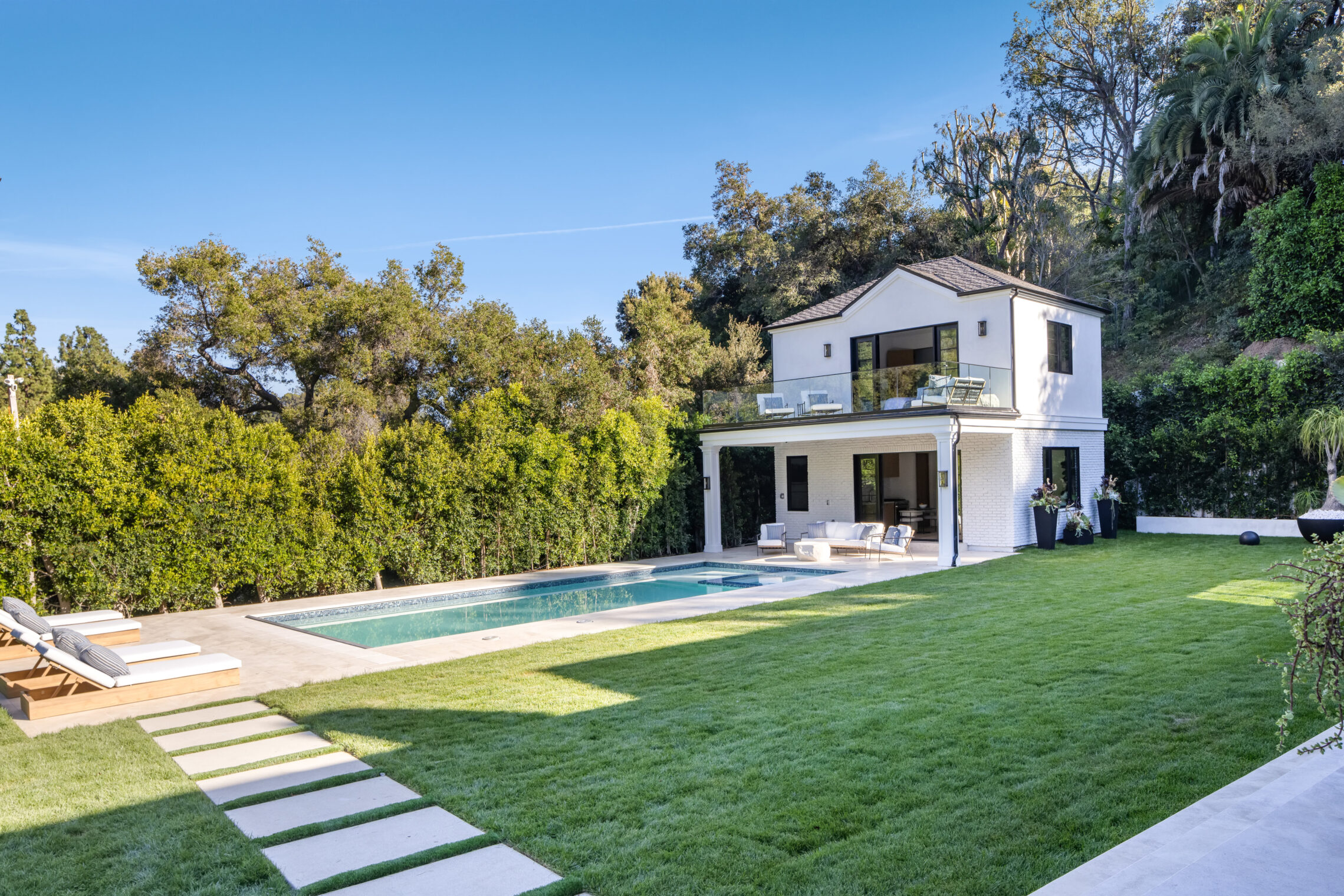
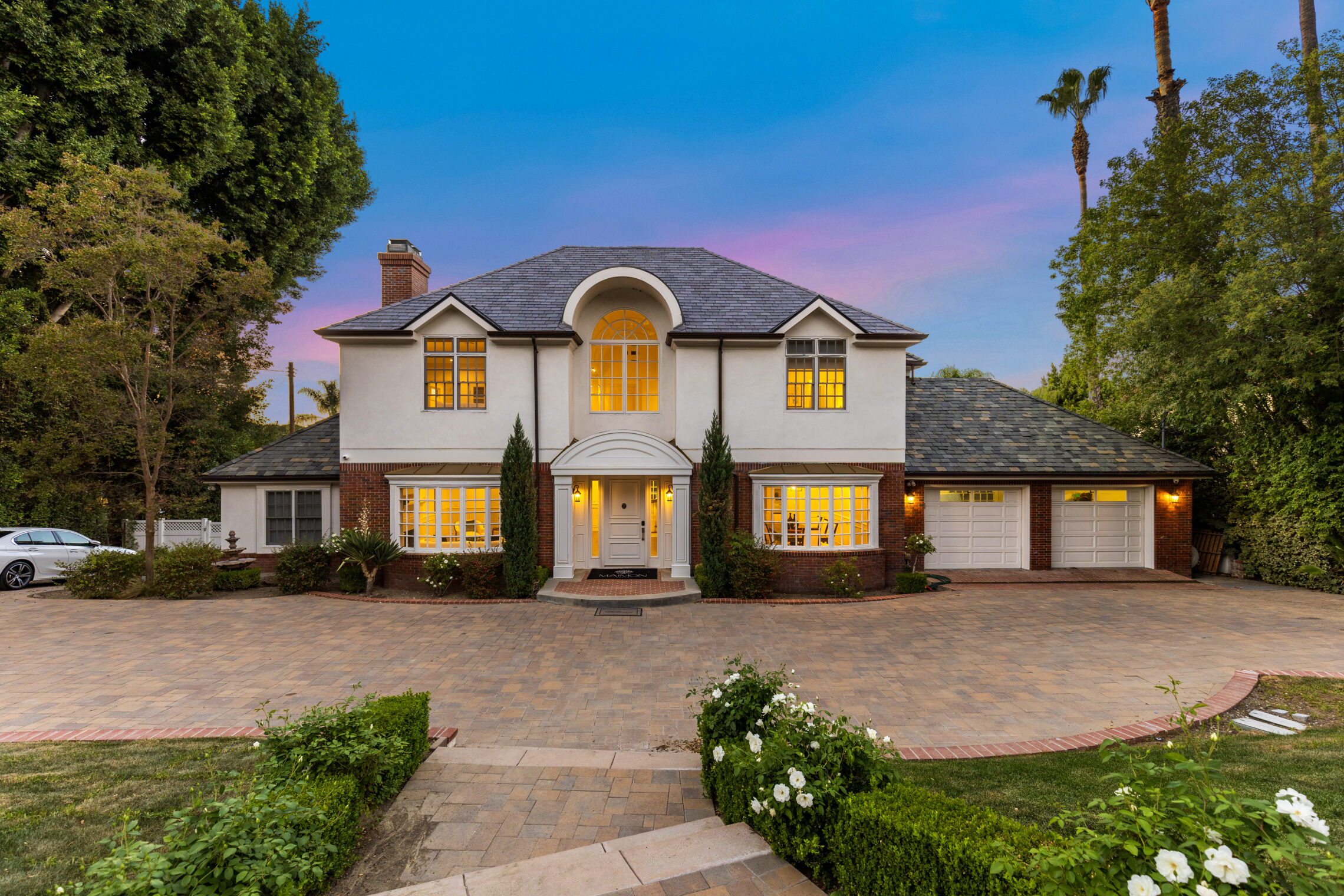
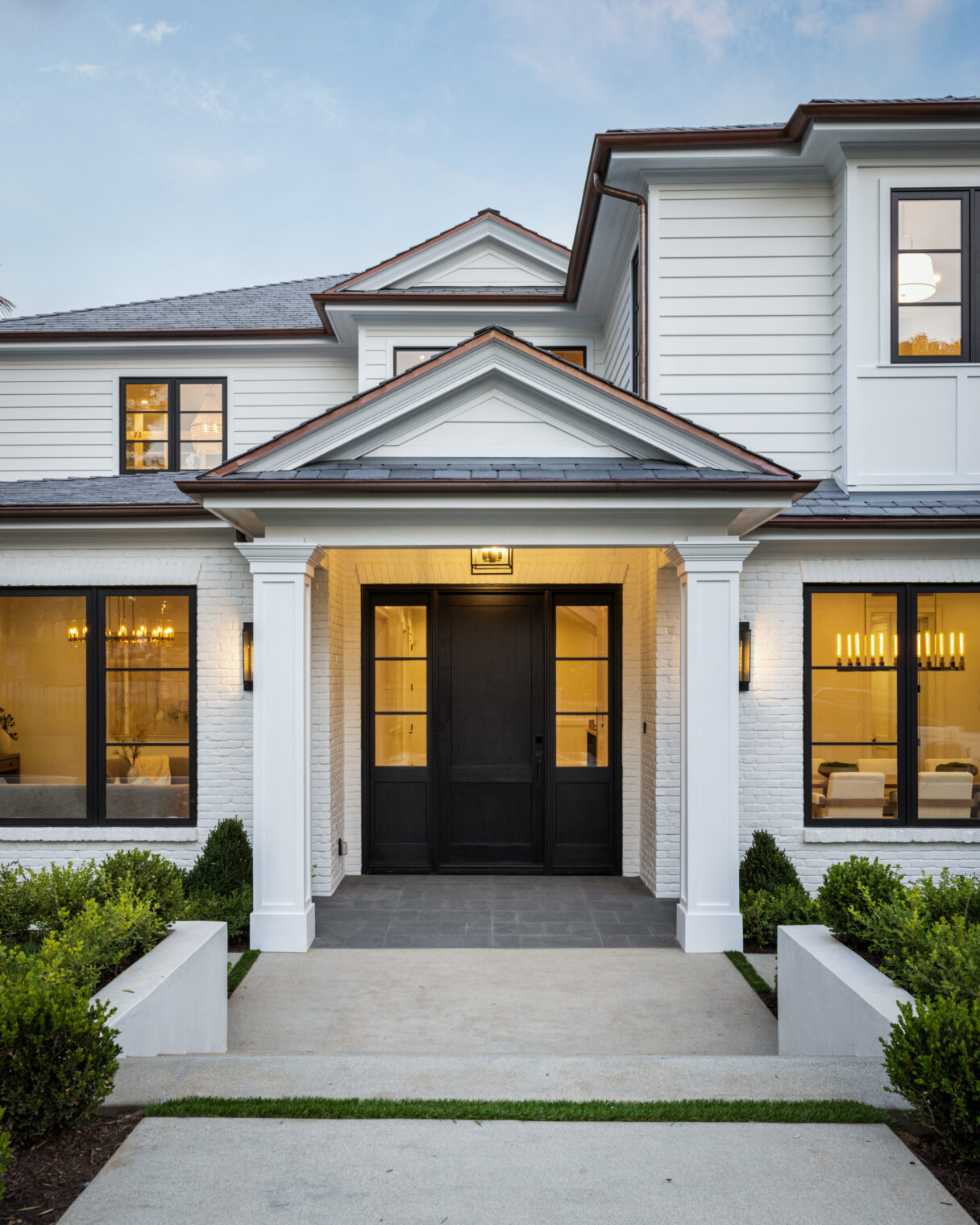
Wildfire protection does not begin at the walls of a home. In many cases, it begins at the edge of the property line. Landscaping choices, plant placement, hardscape materials, and yard maintenance all play an important role in slowing the spread of fire and reducing the likelihood that flames or embers will reach the structure itself.
For homeowners rebuilding or renovating in wildfire-prone areas, wildfire landscaping is now an essential part of long-term home resilience. California’s wildfire conditions continue to evolve, and homes in hillside, canyon, and coastal communities face growing exposure to ember-driven fires that can spread rapidly through dry vegetation and poorly planned outdoor spaces.
At Westside Build, wildfire resilience is approached as a complete system. That includes learning about what makes a home fire-resistant, and studying the structure itself, the surrounding landscape, and the transition zones between the two.
What Is Fire Resistant Landscaping?
Fire-resistant landscaping is the practice of designing and maintaining outdoor spaces in ways that reduce fire intensity, slow fire spread, and limit combustible materials near the home.
No landscape is entirely fireproof. However, thoughtful planning can significantly improve a property’s ability to withstand wildfire exposure.
A strong fire resistant landscape design typically includes:
- Defensible space zones around the home
- Reduced fuel loads
- Fire-resistant plants and ground covers
- Non-combustible hardscape materials
- Irrigation planning
- Careful tree spacing
- Ember-resistant details near structures
The goal is not to eliminate landscaping or create a barren property. The goal is to create separation between vegetation and structures while designing outdoor spaces that are both resilient and visually cohesive.
Understanding Defensible Space
Defensible space refers to the buffer between a structure and the surrounding vegetation. This space helps reduce the chance that wildfire flames can directly reach the home while also giving firefighters safer access during emergency response.
According to CAL FIRE defensible space guidelines, defensible space should generally extend up to 100 feet from the home, depending on property conditions and local requirements.
Defensible space is commonly divided into several zones.
Zone 0: Immediate Zone
This area extends from the structure outward approximately five feet. It is considered the most critical zone because wind-driven embers often ignite homes through nearby combustible materials.
Best practices include:
- Removing dead leaves and debris
- Avoiding wood mulch directly beside the structure
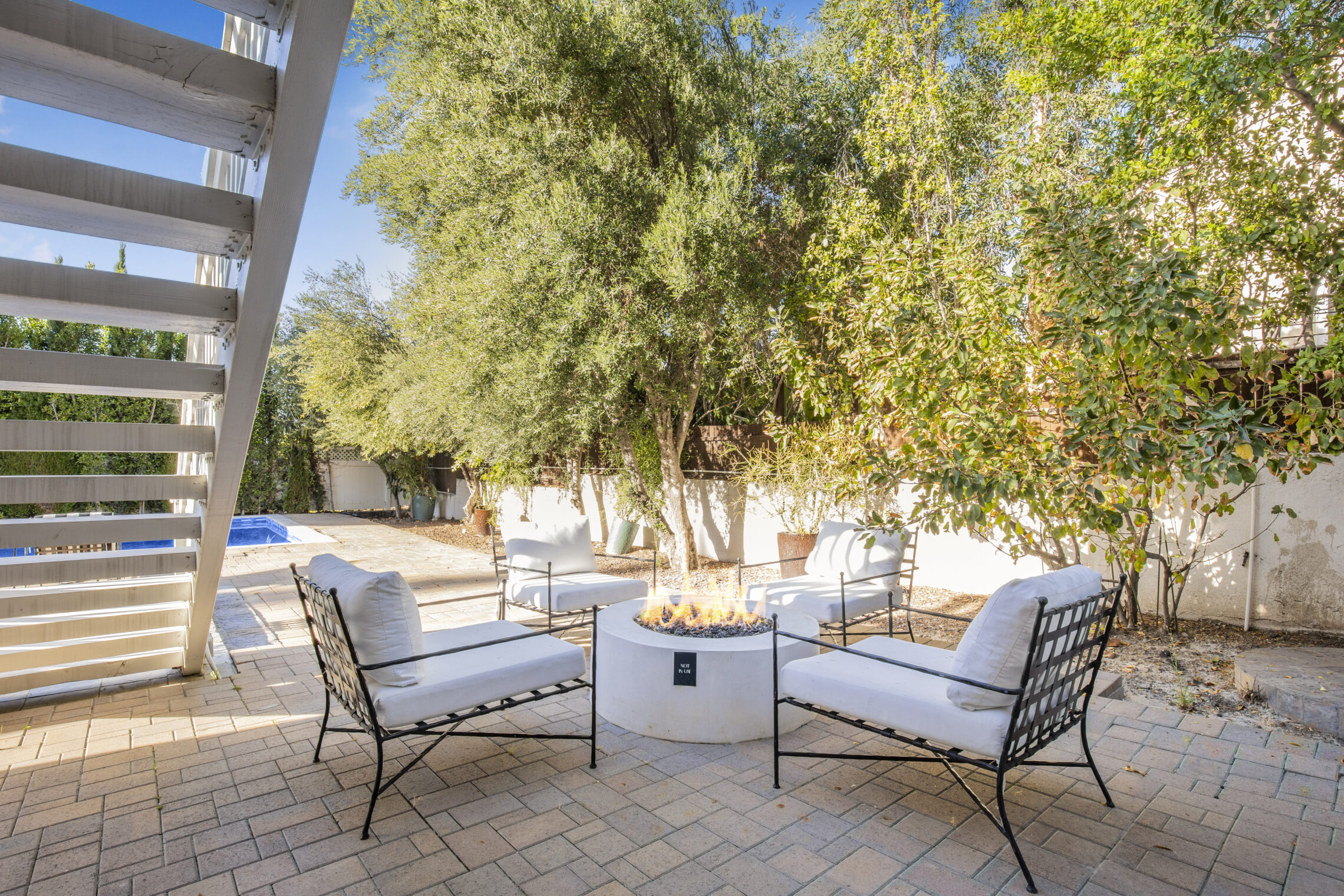
- Using gravel, stone, concrete, or pavers instead
- Limiting combustible furniture or storage near walls
- Keeping roofs, gutters, and vents clear
This zone should prioritize non-combustible materials whenever possible.
Zone 1: Intermediate Zone
This area generally extends from 5 to 30 feet from the structure.
The focus here is reducing fuel continuity while maintaining healthy landscaping. Recommended strategies include:
- Spacing plants apart
- Keeping lawns hydrated and trimmed
- Pruning lower tree branches
- Separating shrubs from structures
- Removing dead vegetation regularly
Fire resistant landscaping in this zone often combines drought-tolerant plants with hardscape pathways, patios, retaining walls, and gravel beds that interrupt the spread of flames.
Zone 2: Extended Zone
This outer area extends beyond 30 feet and focuses on slowing fire movement before it reaches the home.
Strategies may include:
- Thinning dense vegetation
- Increasing spacing between trees
- Removing ladder fuels
- Managing slopes carefully
- Creating breaks in vegetation patterns
Properties in hillside environments often require especially careful wildfire prevention landscaping because fire moves uphill more rapidly and generates intense radiant heat.
Choosing Fire-Resistant Plants
One common misconception is that certain plants are completely fireproof. In reality, plant behavior depends on moisture content, maintenance, placement, and seasonal conditions.
Generally, fire-resistant plants tend to have:
- Higher moisture content
- Lower resin or oil levels
- Slower growth habits
- Minimal dead material buildup
- Broader, less dense leaves
Well-maintained landscaping is often more important than the plant species itself.
Examples commonly used in fire resistant landscaping include:
- Lavender
- California lilac
- Agapanthus
- Yarrow
- Rockrose
- Aloe
- Certain native grasses
- Succulents
At the same time, highly flammable vegetation such as dry ornamental grasses, juniper, eucalyptus, and dense conifers may increase fire risk if poorly maintained or planted too close to structures.
The National Fire Protection Association’s Firewise USA landscaping recommendations emphasize that spacing and maintenance are just as important as plant selection.
Hardscape Plays a Major Role in Fire Resistance
One of the most effective wildfire landscaping strategies involves increasing the use of non-combustible hardscape materials.
Hardscape elements can include:
- Stone walkways
- Concrete patios
- Gravel pathways
- Retaining walls
- Masonry seating areas
- Metal fencing sections
- Decorative rock features
These materials help create breaks between vegetation zones and reduce pathways for flames to travel toward the structure.
In many high-risk rebuild projects, hardscape planning becomes an essential component of broader fire resistant landscape design because it combines aesthetics, drainage, usability, and wildfire resilience into a unified approach.
Trees Require Strategic Placement and Maintenance
Trees provide shade, privacy, and long-term property value. However, unmanaged tree canopies can also create dangerous fuel conditions during wildfire events.
Proper tree management may include:
- Increasing spacing between crowns
- Removing dead limbs
- Trimming branches away from roofs
- Eliminating ladder fuels beneath trees
- Avoiding dense clusters near structures
Trees that overhang roofs or sit close to vents can increase ember exposure significantly during wind-driven wildfire conditions.
Landscaping Must Work Together With the Structure
Wildfire resilience works best when landscaping and structural systems are designed together rather than treated separately.
A fire-resistant property combines certain roofing, windows, and siding choices like:
- Ember-resistant vents
- Tempered glass windows
- Non-combustible siding
- Defensible space landscaping
- Strategic drainage and grading
- Reduced ignition zones
At Westside Build, fire resilience is integrated into the entire rebuilding process rather than added as an afterthought. Landscape planning, material selection, and site design are considered together from the earliest phases of design and preconstruction.
Rebuilding after Wildfire Creates an Opportunity to Build Smarter
For many homeowners rebuilding after wildfire damage, landscaping decisions carry emotional weight alongside practical concerns. Outdoor spaces often hold memories, routines, and personal meaning tied closely to the experience of home itself.
Rebuilding does not mean sacrificing beauty for safety. Thoughtful wildfire prevention landscaping can create outdoor environments that still feel warm, welcoming, and connected to the surrounding environment while substantially improving resilience. This is what we aim to achieve with how Westside Build incorporates wildfire safety into every rebuild.
Westside Build approaches these projects with an understanding that wildfire rebuilding is not simply about code compliance. It is about helping homeowners create spaces that feel secure, functional, and lasting.
That includes integrating:
- Defensible space planning
- Native and drought-conscious planting
- Fire-resistant construction standards
- Long-term maintenance considerations
- Site-specific environmental conditions
Fire-Resistant Landscaping Requires Ongoing Maintenance
Even the best-designed fire resistant landscaping requires regular upkeep. Vegetation changes over time, seasons shift, and debris naturally accumulates.
Homeowners should regularly:
- Remove dry leaves and branches
- Maintain irrigation systems
- Trim overgrown shrubs
- Inspect tree health
- Clean gutters and rooflines
- Refresh gravel or hardscape areas as needed
Wildfire resilience is strongest when maintenance becomes part of the long-term stewardship of the property.
Designing Outdoor Spaces with Long-Term Resilience in Mind
Wildfire conditions throughout California have changed how many homeowners think about architecture, materials, and site planning. Landscaping is now a central part of that conversation.
A well-designed fire resistant landscape design does more than improve wildfire safety. It also supports drainage, sustainability, privacy, usability, and property value over time.
At Westside Build, every rebuild project is approached with resilience in mind from the very beginning. From defensible space planning to fire-resistant construction standards, the goal is to create homes that are prepared for the realities of modern California living while still feeling grounded, beautiful, and personal.
Homeowners exploring Palisades fire rebuild services or broader home reconstruction after wildfire damage can benefit from approaching landscaping and structural resilience as one connected system rather than separate decisions. Get in touch with us today to see how we can help!