Roofing, Windows, and Siding: Choosing Fire-Safe Options for Your Home
Fire Resistant Homes
Wildfire resilience begins long before an emergency occurs. For homeowners across California, especially in hillside and canyon communities, the materials used on the exterior of a home can significantly influence how well the structure performs during wildfire exposure.
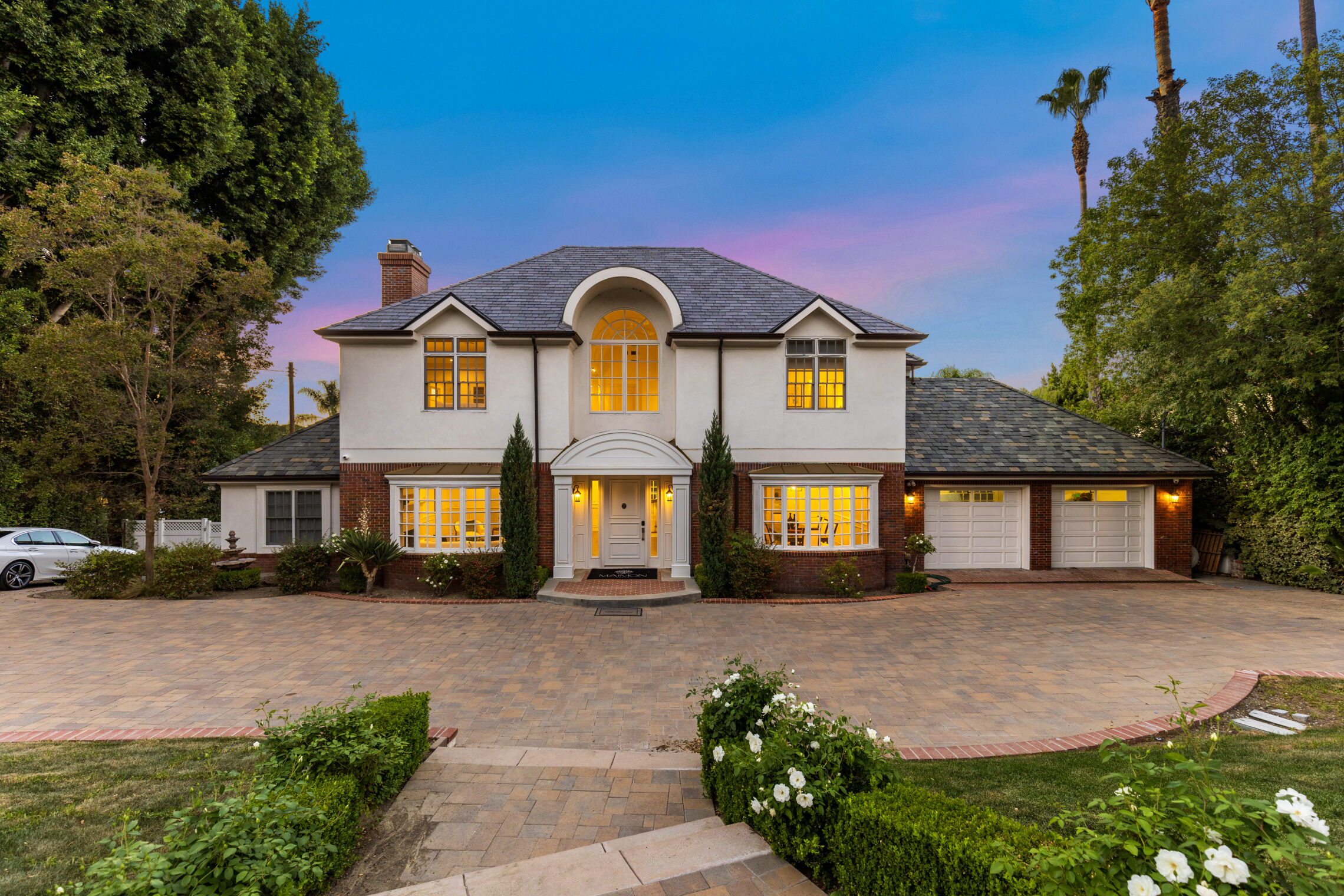
Roofing, windows, and siding are among the most important protective layers in a fire-resistant home. Together, they help defend against embers, radiant heat, wind-driven flames, and structural ignition risks that commonly occur during wildfire events.
At Westside Build, wildfire-conscious construction is integrated into every rebuild and custom home project from the earliest planning stages for wildfire resistance. The goal is not simply to meet minimum code requirements, but to create homes designed for long-term resilience, durability, and peace of mind.
Why Exterior Materials Matter During Wildfires
Many homes ignite during wildfires not because flames directly reach the structure, but because airborne embers land on vulnerable surfaces or enter small openings around the home.
Combustible roofing, exposed vents, untreated siding, or standard glass windows can all become weak points during ember storms or periods of intense radiant heat.
That is why selecting fire resistant building materials is such an important part of modern residential design in California.
Today’s fire-resistant systems are designed to:
- Reduce ignition risk
- Slow flame spread
- Protect structural assemblies
- Resist ember intrusion
- Improve long-term durability
- Support insurance and building code requirements
Rather than relying on a single feature, resilient homes use layered protection across the entire exterior envelope.
Choosing Fire-Resistant Roofing Materials
The roof is often considered the most vulnerable part of a home during a wildfire. Wind-driven embers frequently collect on roof surfaces, in gutters, and along roof valleys where debris accumulates.
Because of this, selecting proper fire resistant roofing materials is one of the most important wildfire protection decisions a homeowner can make.
Class A Roofing Systems
Class A roofing systems provide the highest fire-resistance rating available under California building codes. Common fire resistant roof materials include:
- Metal roofing systems
- Concrete tile roofing
- Clay tile roofing
- Composite fire-rated shingles
- Class A asphalt shingles
These roofing materials are tested to resist severe fire exposure and help reduce ignition risks caused by airborne embers.
Modern fire resistant roofing systems are often paired with:
- Enclosed eaves
- Non-combustible gutters
- Ember-resistant attic vents
- Fire-resistant underlayment systems
Together, these components create a stronger protective barrier around the home.
In many California rebuild projects, roofing selection has become one of the first conversations during design planning because it impacts both resilience and long-term maintenance.
Fire-Resistant Windows and Doors
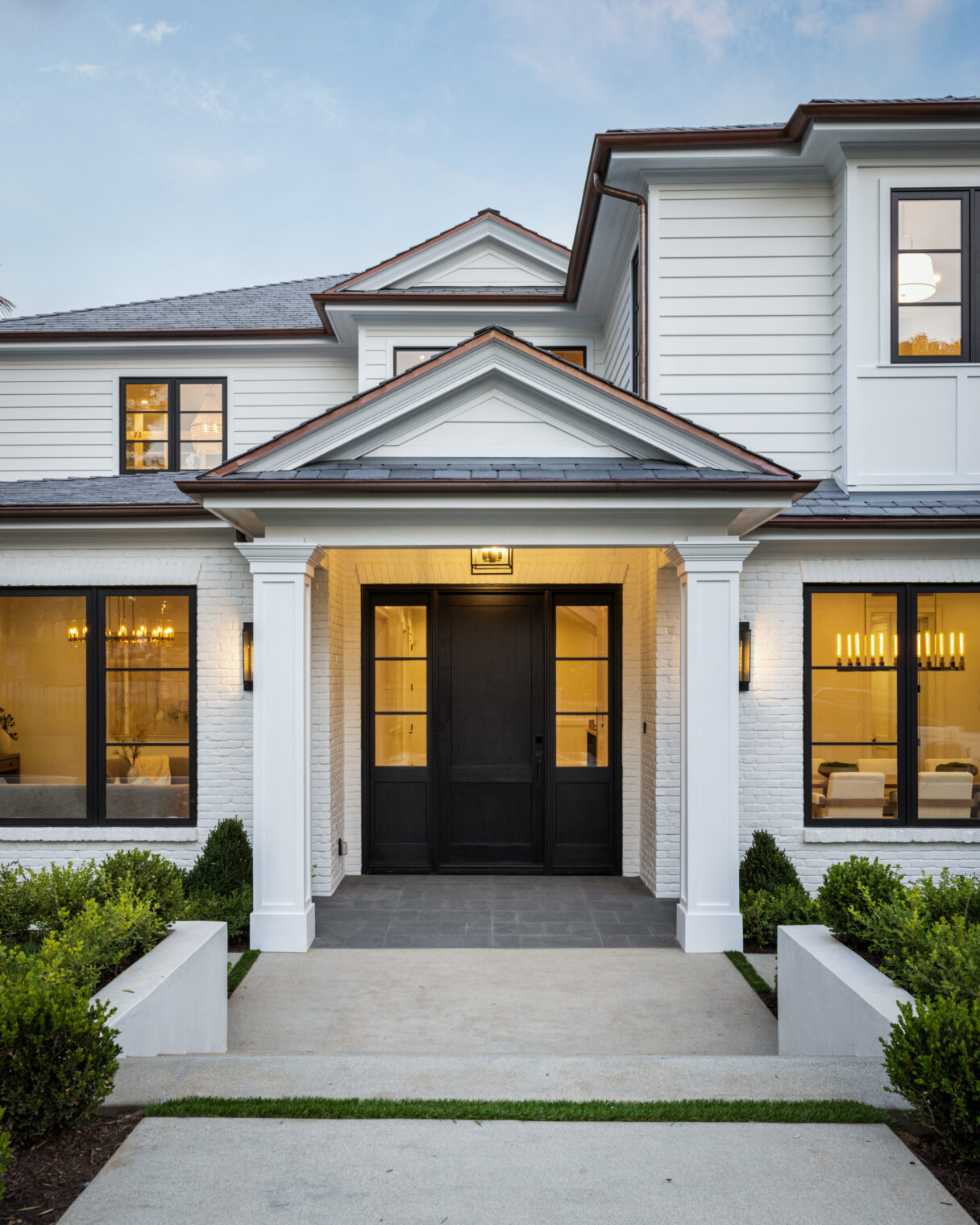
Windows are another major vulnerability during wildfire events. Intense radiant heat can crack standard glass, allowing flames and embers to enter the home.
High-performance fire resistant windows are specifically designed to withstand higher temperatures and improve the integrity of the building envelope.
Features Commonly Used in Fire-Resistant Windows
Many wildfire-conscious homes now include:
- Tempered glass windows
- Dual-pane glazing systems
- Multi-pane insulated windows
- Minimal combustible framing exposure
- Fire-rated window assemblies
Tempered glass is significantly stronger under heat exposure than traditional annealed glass. Dual-pane systems also provide an additional layer of protection if one pane fails during extreme heat conditions.
Large glass openings remain popular in modern California architecture, particularly in coastal and hillside homes. Careful material selection allows homeowners to preserve natural light and views without sacrificing wildfire resilience.
Fire-Resistant Doors and Windows
The connection points around openings are equally important. Fire resistant doors and windows work best when combined with:
- Airtight installation systems
- Ember-resistant seals
- Protected framing assemblies
- Proper flashing and weatherproofing
Sliding doors, entry systems, and folding glass walls may all require specialized detailing in wildfire-prone areas to reduce vulnerabilities around the perimeter.
Selecting Fire-Resistant Siding Options
Siding plays a major role in defending the structure from direct flame exposure and radiant heat.
Traditional combustible siding materials may ignite more easily when exposed to embers or prolonged heat. Today, many homeowners rebuilding in wildfire-prone regions are choosing fire resistant siding options that offer stronger performance and lower maintenance.
Common Fire-Resistant Siding Materials
Popular fire resistant siding materials include:
- Fiber cement siding
- Stucco exterior systems
- Metal cladding
- Concrete-based panels
- Ignition-resistant engineered siding
Fiber cement siding has become especially common because it combines durability, low maintenance, and strong fire resistance while still offering flexibility in appearance and texture.
At Westside Build, siding systems are selected based not only on wildfire performance, but also on architectural goals, climate exposure, and long-term durability expectations.
Modern fire resistant siding can still support highly customized residential design without compromising aesthetics.
The Importance of Ember Resistance
Wildfire resilience involves more than simply choosing non-combustible products. Even homes built with high-quality fire resistant construction materials can remain vulnerable if ember protection is overlooked.
Embers often enter homes through:
- Roof vents
- Crawlspace vents
- Gaps beneath decking
- Exposed eaves
- Utility penetrations
- Openings around windows and doors
For this reason, modern wildfire-conscious construction focuses heavily on sealing the building envelope and limiting entry points where embers may accumulate.
Many resilient homes now include:
- Ember-resistant vent systems
- Fine metal mesh screening
- Enclosed soffits
- Sealed roof transitions
- Non-combustible decking systems
These small details often play a major role in overall fire performance.
Exterior Materials Work Together as a System
One of the biggest misconceptions about wildfire protection is the belief that a single product alone can make a home “fireproof.”
In reality, effective fire-resistant home design depends on how systems work together.
For example:
- A Class A roof performs better when paired with ember-resistant vents
- Fire resistant windows are more effective alongside non-combustible siding
- Exterior assemblies perform best when landscaping is properly managed nearby
Wildfire resilience is achieved through layered protection, careful detailing, and integrated planning.
Defensible landscaping, hardscape transitions, and vegetation management all play an important role alongside structural materials.
Rebuilding With Fire Resistance in Mind
For homeowners rebuilding after wildfire loss, exterior material selection has become one of the most important long-term decisions in the reconstruction process.
At Westside Build, every rebuild project incorporates wildfire-conscious planning from the earliest stages, including:
- Class A roofing systems
- Fire-resistant exterior assemblies
- Tempered glazing systems
- Ember-resistant detailing
- Defensible space coordination
- High-performance building envelopes
The goal is not simply to restore what was lost, but to create homes that are stronger, safer, and better prepared for future wildfire conditions.
This approach allows homeowners to rebuild with greater confidence while improving both resilience and long-term property performance.
Building for Long-Term Resilience
As wildfire risks continue shaping residential construction throughout California, fire-conscious design is becoming a central part of responsible homebuilding.
Carefully selected fire resistant roofing materials, fire resistant windows, and fire resistant siding systems can significantly improve how a home performs during wildfire exposure while also supporting durability, efficiency, and long-term value.
At Westside Build, wildfire resilience is treated as a foundational part of every rebuild and custom home project. Through thoughtful planning, integrated design, and carefully selected materials, homes can be built to better withstand the realities of California’s changing environmental conditions. Get in touch with us today to see how we can help!