How Long Does It Take To Rebuild After a Fire? What Homeowners Can Expect in the Palisades
Palisades Fire Rebuild
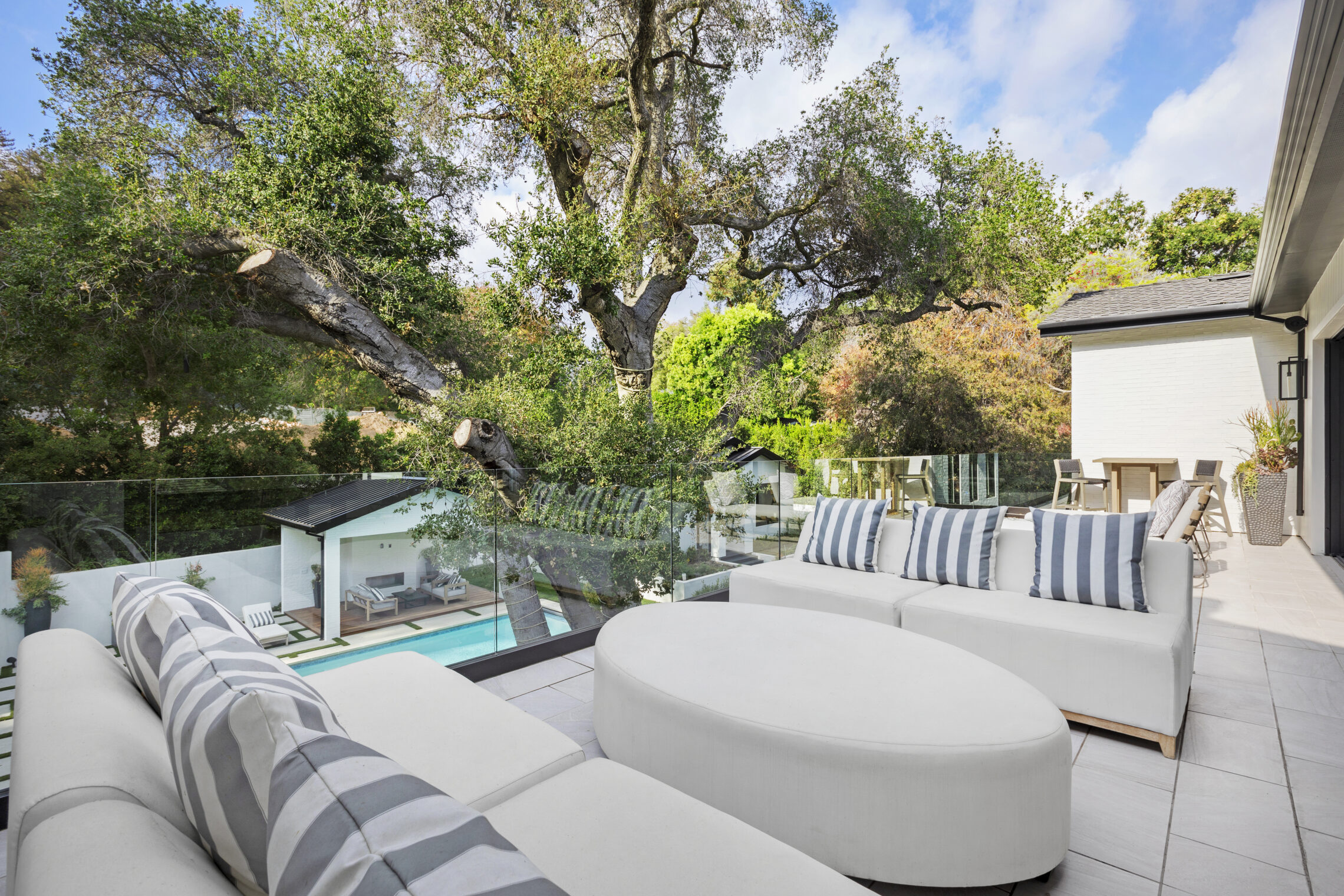
For most families in the Palisades, the decision to rebuild isn’t just a construction project; it’s the beginning of returning to a life that was interrupted. That weight deserves a clear, honest process.
Timelines for rebuilding after a fire depend on several factors, including design decisions, permitting, and construction complexity. Most projects in the Palisades follow a similar sequence of phases. Understanding those phases makes it easier to plan, set realistic expectations, and stay in control of the process rather than feel managed by it.
What Is the Fire Damage Restoration Timeline?
The fire damage restoration timeline covers every stage required to transform a damaged property into a completed home. It does not begin and end with construction. Instead, it includes assessment, design, approvals, and building.
For most custom homes in the Palisades, the full timeline ranges from about 12 to 36 months. Smaller or simpler rebuilds may move faster, while larger homes or projects with more detailed requirements often take longer.
This variation is why the question of how long to rebuild a house after a fire is best understood by looking at each phase separately. Each step contributes to the overall duration, and delays in one stage can affect everything that follows.
Phase One: Site Assessment and Initial Planning
The process begins with understanding the property’s condition. This includes clearing debris, reviewing structural elements, and determining what can be reused. In many cases, a full rebuild is required, but some sites allow partial retention depending on damage and local regulations.
At the same time, homeowners begin making early decisions about the property’s future. Some choose to rebuild a similar home, while others adjust the layout, size, or design features to meet new needs.
For those weighing their options, it helps to review “Should I Rebuild or Sell After a Fire in Pacific Palisades?” which outlines how different choices affect long-term outcomes.
Even at this early stage, digital modeling can support planning. Basic models allow teams to test layout ideas and identify constraints tied to the lot, zoning, or structural requirements. This reduces uncertainty before detailed design begins.
This phase typically takes several weeks to a few months, depending on how quickly decisions are made and how complex the site conditions are.
Phase Two: Design and Preconstruction
Once the direction is set, the project moves into design. This phase includes architectural plans, structural coordination, and the layout of mechanical systems, including plumbing, electrical, and HVAC.
Design decisions directly affect how long it takes to rebuild a house after a fire. Changes made later in the process often lead to delays, so clarity at this stage is important.
At Westside Build, design and construction aren’t separate teams working from separate drawings, they’re the same team working from the same model. Every rebuild is developed as a live digital twin: a single 3D environment where architectural decisions, structural systems, mechanical layouts, and construction sequencing are all resolved together before a single permit is filed.
This means conflicts between framing and ductwork, or between electrical runs and cabinetry, are caught and corrected in the model, not discovered mid-build when corrections cost time and money. What gets designed is exactly what gets built.
For a broader overview of how this stage fits into the rebuild process, the Step-by-Step Guide on How to Rebuild After the 2025 Palisades Fire provides additional context.
Design and preconstruction usually take between 3 and 6 months. More detailed homes or projects with specialized systems may require additional time.
Phase Three: Permitting and Approvals
Permitting is often one of the longest parts of the fire damage restoration timeline. In the Palisades, plans must go through local review to confirm compliance with current codes and regulations.
These requirements have become more detailed following recent fires. Updated building codes often address fire resistance, structural performance, and system integration. As a result, plans may require revisions before approval is granted.
Homeowners can review What Changed in California’s Building Codes After the Palisades Fire? to understand how these updates may affect their rebuild.
During this phase, digital modeling helps manage revisions more efficiently. When changes are required, updates can be applied across the entire model rather than adjusted manually in separate documents. This reduces the risk of inconsistencies and helps keep the process moving.
Permitting timelines vary, but most projects spend 3 to 9 months in this stage.
Phase Four: Construction
Construction begins once permits are approved and materials are ready. This phase includes foundation work, framing, system installation, and finishing.
The construction time depends on the size and detail of the home. For many rebuilds in the Palisades, this phase takes between 8 and 18 months.
Coordination becomes critical during construction. Teams must follow the approved plans while adapting to site conditions. Questions often arise as work progresses, and resolving them quickly helps avoid delays.
On a Westside Build project, the digital twin doesn’t stay in the design studio; it comes to the site. Every trade works from the same live model throughout construction. Real-time scanning is overlaid against it continuously, so variances are identified and resolved as they occur rather than discovered during a final walkthrough.
This level of control, commercial-grade quality monitoring applied to a custom home, is what keeps construction on schedule and prevents the compounding delays that inflate timelines on less coordinated builds.
Factors That Affect How Long It Takes to Rebuild
Several factors influence how long it takes to rebuild a house after a fire. While the phases remain consistent, these factors determine how quickly each step progresses.
Project size and complexity are major considerations. Larger homes with custom features require more design time and longer construction periods. Detailed finishes and specialized systems also add to the timeline.
Permitting requirements can extend the schedule, especially if revisions are needed. Local review processes and updated regulations play a significant role in the speed of approvals.
Insurance coordination is another factor. Approval timelines, scope reviews, and funding decisions all affect when construction can begin. For guidance, homeowners can review How to Work With Your Insurance Company During the Rebuild Process, which explains how to align planning with insurance requirements.
Material availability can also influence timing, and it’s one area where builder selection makes a significant difference. Most independent builders source from the same suppliers and face the same shortages. Westside Build owns its supply chain: a lumber yard with direct mill sourcing, fabrication facilities, and regional warehousing that keeps materials secured for active projects. That ownership structure protects client timelines from the scarcity and lead-time volatility that can add weeks or months to a build managed by a less integrated team.
Planning quality directly impacts the overall timeline. Projects that invest more time in early coordination tend to move more smoothly through later phases. This is where digital modeling contributes to better outcomes.
How Digital Modeling Improves Timeline Reliability
Planning methods clearly affect the fire damage restoration timeline. When projects rely on disconnected drawings and limited coordination, issues are often discovered during construction.
These issues can include conflicts between structural framing and mechanical systems, or layout changes that require field adjustments. Each change takes time and can delay progress.
Digital modeling addresses these challenges by placing all systems into a shared environment before construction begins. Teams can review how components interact and resolve conflicts early.
This approach supports:
- Clearer coordination during design
- Fewer changes during construction
- More predictable scheduling
As a result, digital modeling helps reduce the uncertainty that often affects rebuild timelines.
What Homeowners Should Expect During the Process
Rebuilding after a fire requires patience and ongoing coordination. While timelines vary, most projects follow a similar sequence: planning, design, approvals, and construction.
Homeowners should expect regular communication with their project team, especially when decisions affect cost or schedule. Adjustments are common, particularly during permitting and construction, but clear planning helps minimize disruptions.
For those preparing to begin, What Should Palisades Homeowners Know Before Starting a Fire Rebuild? outlines key considerations that can influence the process.
Understanding these stages provides a clearer answer to how long it takes to rebuild a house after a fire. Rather than focusing on a single number, it helps to view the timeline as a series of coordinated steps.
Bringing the Timeline Together
The fire damage restoration timeline reflects the combined duration of several phases. Site assessment, design, permitting, and construction each contribute to the total schedule.
Most rebuilds in the Palisades fall within a 12- to 36-month range, though individual timelines may vary. The question of how long to rebuild a house after a fire becomes easier to understand when each stage is considered separately.
Clear planning, early coordination, and the use of tools like digital modeling help reduce delays and support a more predictable process.
Planning With Westside Build
Rebuilding after a fire involves decisions that affect timing, cost, and long-term performance. Careful planning early in the process often helps reduce delays later.
Westside Build is one of the most active rebuild teams in the Palisades, not because of marketing, but because of how we work. Our founders are embedded in the same communities they build in. One of them lost his home in the fires. This work isn’t a market opportunity for us. It’s personal.
We bring design, construction, and supply chain under one roof, coordinated through a single live model, so homeowners don’t have to manage the process themselves; they just have to make the decisions that matter to them.
If you’re ready to understand what a rebuild for your specific property looks like, contact Westside Build to start the conversation.