Step-by-Step Guide On How To Rebuild After The 2025 Palisades Fire
Palisades Fire Rebuild
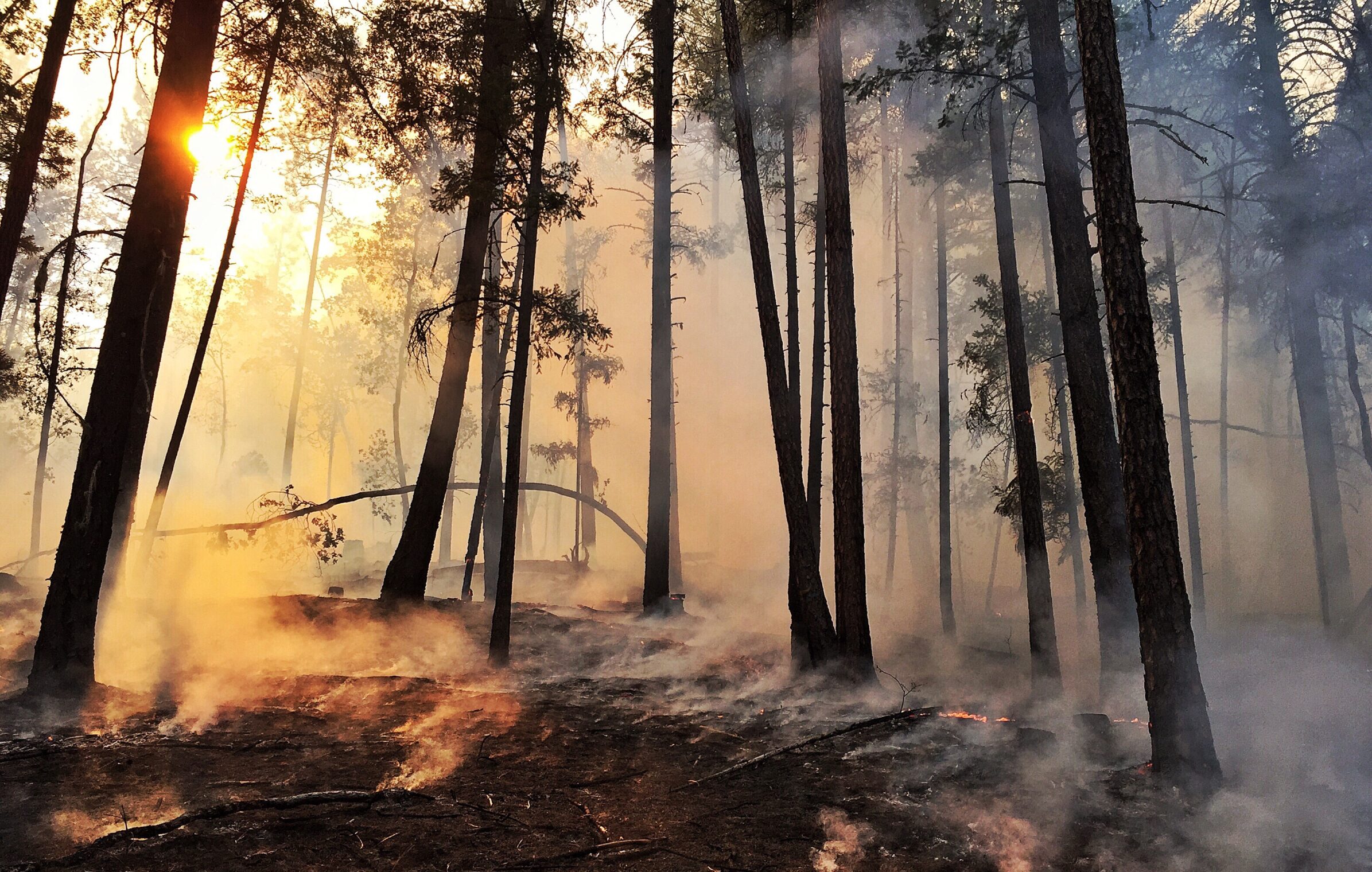
For many families in Pacific Palisades, the aftermath of the wildfire poses a difficult, emotional question: how to rebuild after a fire. Homes may be severely damaged or completely lost, and rebuilding after a fire involves many decisions beyond the construction itself.
A Palisades fire rebuild typically requires coordination across several areas. Homeowners must address debris removal, insurance claims, site inspections, and new building requirements before construction begins. Local agencies also review safety conditions before approving rebuilding plans.
The process may feel overwhelming at first. Breaking it into clear steps helps homeowners move forward with greater confidence and understanding.
This guide explains the main stages involved in rebuilding after a fire, from site inspection through construction. Homeowners who want a broader overview of rebuilding considerations can review “What Should Palisades Homeowners Know Before Starting a Fire Rebuild?”, which explains the planning and financial questions many residents evaluate before beginning the process.
The steps below outline how rebuilding typically progresses after a wildfire:
- assessing site conditions
- removing debris and preparing the property
- coordinating insurance and finances
- planning the rebuild
- securing permits and starting construction
Step 1: Assess Fire Damage and Confirm Site Conditions
The first step in rebuilding after a fire is evaluating the property’s condition. Before rebuilding begins, engineers and local authorities assess the extent of fire damage.
Wildfires can affect many elements of a structure. Even when walls or foundations appear intact, heat exposure may weaken structural components or underground utilities.
Professionals typically review several conditions during this stage:
- foundation integrity
- retaining wall stability
- utility connections
- soil conditions surrounding the structure
Structural engineers often examine foundations to determine whether they remain suitable for new construction. Retaining walls and grading systems may also require evaluation, especially in hillside properties common in the Palisades.
Local agencies sometimes coordinate inspection programs after major wildfire events. These programs help confirm which properties are safe to rebuild and identify areas that require additional remediation.
This initial assessment establishes the baseline for a fire damage rebuild. The site’s condition determines whether reconstruction can proceed quickly or whether additional stabilization work is required first.
Step 2: Complete Debris Removal and Fire Damage Clean Up
Once the property receives inspection clearance, the next stage focuses on fire damage clean up & rebuild preparation.
Wildfire debris can contain hazardous materials, including ash, burned building components, and contaminated soil. Proper removal protects workers and prepares the site for new construction.
Cleanup work may involve:
- removal of burned structural materials
- ash and debris clearing
- hazardous material disposal
- soil testing and contamination review
Government programs sometimes assist communities affected by California fires rebuilding efforts. These programs coordinate debris removal in large wildfire zones and ensure compliance with environmental safety standards.
Debris removal also allows engineers and contractors to inspect the site more closely. With the property cleared, builders can evaluate access conditions, drainage systems, and remaining structural components.
Completing this phase prepares the property for architectural design and rebuilding planning. A clean and stable site provides the starting point for rebuilding a fire-damaged home.
Step 3: Review Insurance Coverage and Rebuild Budgets
Financial planning plays a central role in rebuilding after a fire. Homeowners often work closely with several professionals to understand their rebuilding options.
These discussions usually involve:
- insurance adjusters
- mortgage lenders
- architects and builders
Insurance policies determine how rebuilding costs are covered. Many policies include provisions for structural reconstruction, debris removal, and temporary housing during the rebuilding process.
Homeowners typically review their insurance coverage to determine the budget available for a fire damage rebuild. Insurance benefits may include:
- dwelling replacement coverage
- debris removal allowances
- additional living expenses
Understanding these financial resources early helps homeowners evaluate rebuilding plans realistically.
Insurance coordination can take time, especially when large wildfire events affect many properties simultaneously. Homeowners must document damage, review coverage limits, and communicate with insurance representatives throughout the process.
For a detailed explanation of this process, homeowners can review How to Work With Your Insurance Company During the Rebuild Process, which explains how insurance claims and rebuilding budgets are typically coordinated after wildfire damage.
Step 4: Decide Whether Rebuilding Is the Right Option
Some homeowners pause during the early stages to evaluate their options. After a wildfire, people often ask practical questions, such as, “Do you have to rebuild your house after a fire?”
In most cases, property owners have several options:
- Rebuild the home
- Sell the property
- Redevelop the site
Another common concern involves what happens if you don’t rebuild after fire damage. The answer depends on local regulations, insurance policies, and personal financial goals.
Several factors influence this decision:
- rebuilding costs
- insurance coverage
- property value in the area
- long-term plans for the property
Many homeowners choose to rebuild to remain in the community or restore their property. Rebuilding also provides an opportunity to redesign the home with updated layouts and improved fire-resistant materials.
Homeowners who want a deeper look at this decision-making process can explore Should I Rebuild or Sell After a Fire in Pacific Palisades?, which examines the financial and personal considerations that influence this choice.
Step 5: Plan the Design and Permitting Process for a Palisades Fire Rebuild
Once homeowners decide to rebuild, the design phase begins. Architects and builders collaborate to develop plans for the Palisades fire rebuild.
Design planning often includes:
- evaluating site layout
- developing architectural plans
- coordinating structural engineering
- selecting fire-resistant materials
During this phase, teams also review building regulations and permitting requirements. Wildfire events often lead to updated safety codes intended to reduce future fire risk.
For example, rebuilding fire-damaged homes may involve requirements related to:
- fire-resistant exterior materials
- ember-resistant ventilation systems
- defensible landscaping zones
Local building departments review construction plans to confirm compliance with these regulations before issuing permits.
Understanding code changes early helps homeowners avoid delays during the permitting process. Updated regulations can influence design decisions and construction methods.
Readers interested in the regulatory changes affecting rebuilding can review What Changed in California’s Building Codes After the Palisades Fire?, which explains how wildfire events often lead to revised construction standards.
Step 6: Begin Construction and Rebuild the Home
Once design plans are approved and permits are issued, construction can begin. This stage marks the most visible part of rebuilding after a fire.
Construction typically proceeds in several phases:
- site preparation and grading
- foundation work and structural framing
- mechanical system installation
- interior finishes and exterior construction
Builders coordinate multiple subcontractors throughout this process. Structural crews, electricians, plumbers, and HVAC specialists work in sequence to complete the home.
In wildfire recovery situations, construction may occur across many properties simultaneously. Contractors, materials, and permit inspections may experience higher demand when entire neighborhoods rebuild at once.
Scheduling often becomes a major question during this stage. Homeowners frequently ask how long it takes to rebuild after a wildfire.
For a detailed timeline overview, readers can review How Long Does It Take To Rebuild After a Fire?: What Homeowners Can Expect in the Palisades, which explains the typical duration of each phase in the rebuilding process.
Step 7: Rebuild With Fire-Resilient Design and Construction
A wildfire rebuild also provides an opportunity to improve the home’s resilience. Many homeowners incorporate upgraded safety features during the fire rebuild process.
Common improvements include:
- fire-resistant siding and exterior materials
- ember-resistant ventilation systems
- defensible landscaping zones
- improved roof assemblies
These upgrades help reduce wildfire exposure and improve long-term durability.
Architects and builders often recommend integrating these features early in the design process. When fire-resistant systems are incorporated during planning, they become part of the home’s overall structure rather than an afterthought.
Many Palisades residents rebuilding their homes choose to implement updated construction methods designed for California’s wildfire-prone environment.
Thoughtful design decisions can help protect the home and surrounding property during future wildfire events.
Begin Your Palisades Fire Rebuild With a Clear Plan
Understanding how to rebuild after a fire becomes easier when the process is broken into clear steps. Most rebuild projects follow a similar sequence: site evaluation, debris removal, insurance coordination, design planning, permitting, and construction.
Rebuilding after a wildfire involves important decisions at each stage. Early guidance helps homeowners understand the process and evaluate their options with greater clarity.
For a broader overview of the rebuilding process and the key considerations homeowners should evaluate before beginning, readers can explore What Should Palisades Homeowners Know Before Starting a Fire Rebuild?
Palisades homeowners planning a rebuild can contact Westside Build to discuss their property, rebuilding goals, and the next steps to restore their home after the 2025 wildfire.