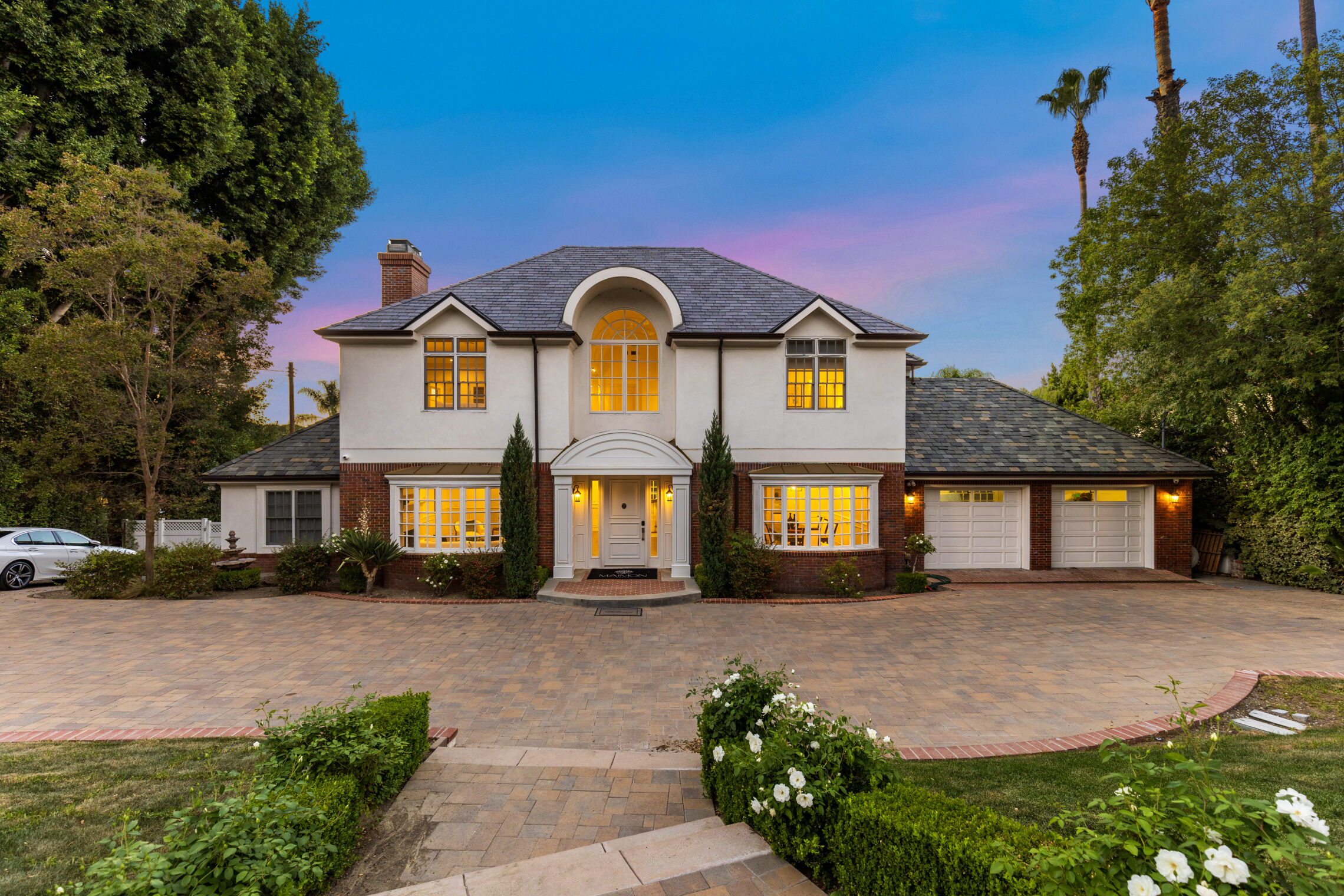
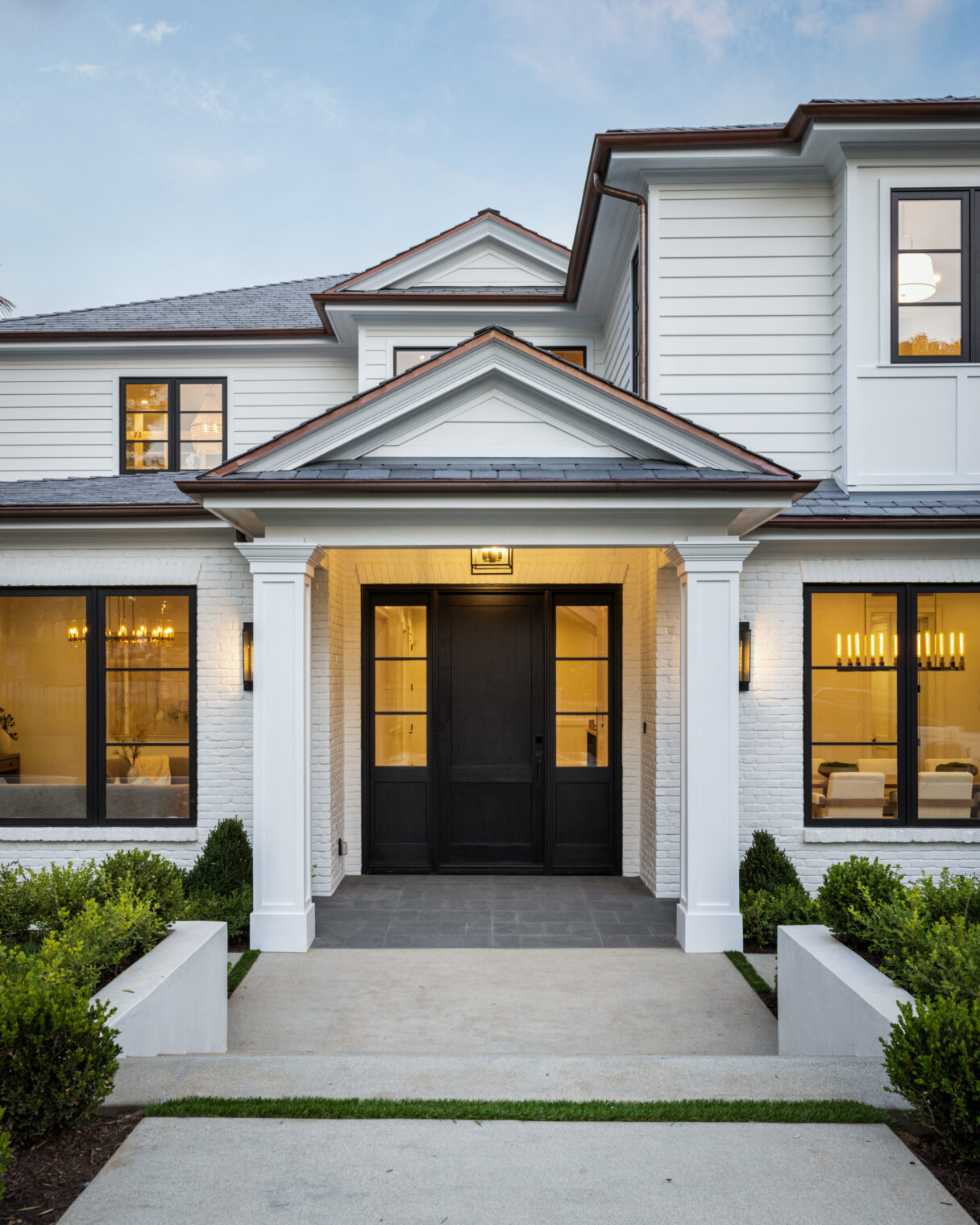
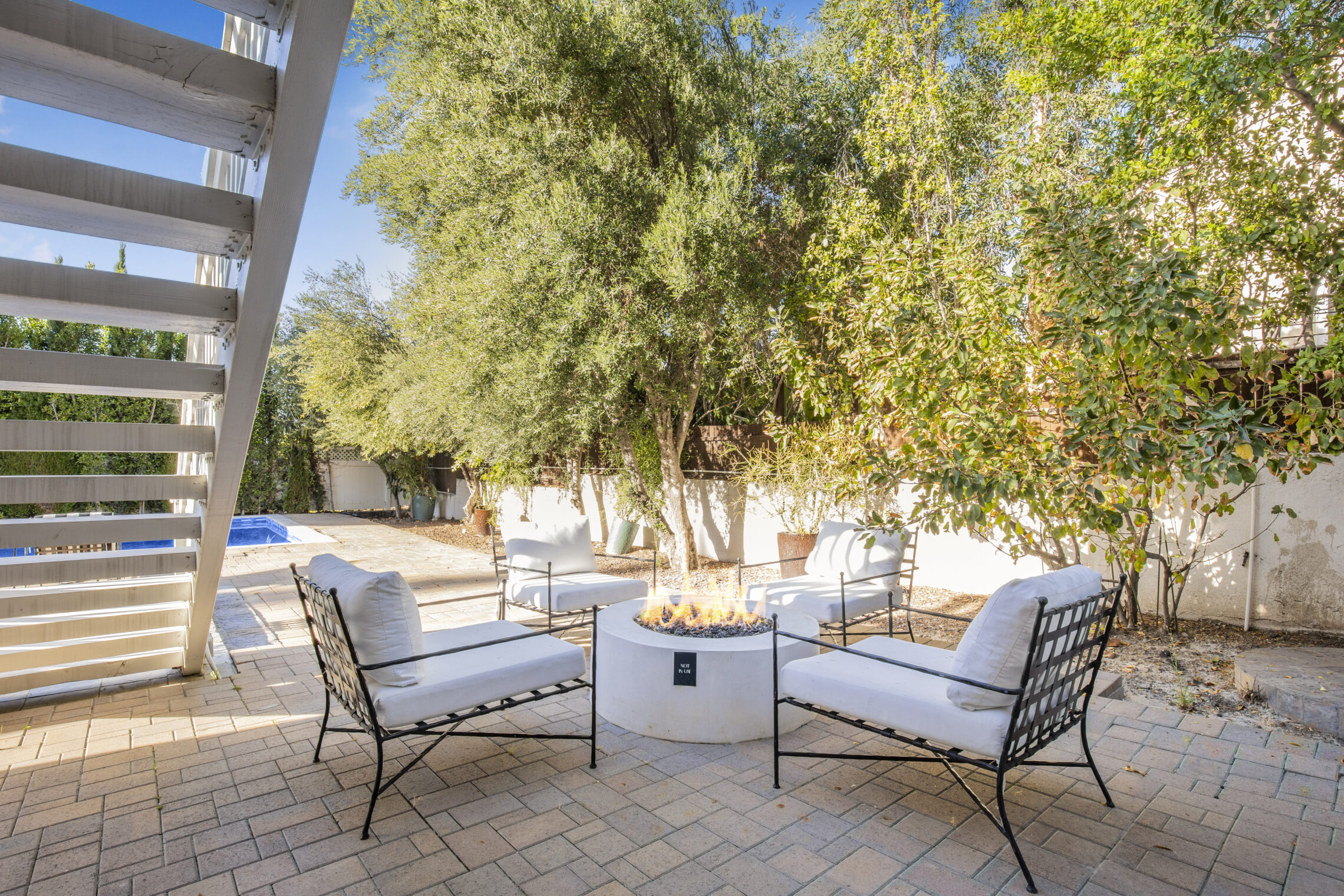
How Much Does It Cost to Build a Custom Luxury Home on the Westside?
Custom Home
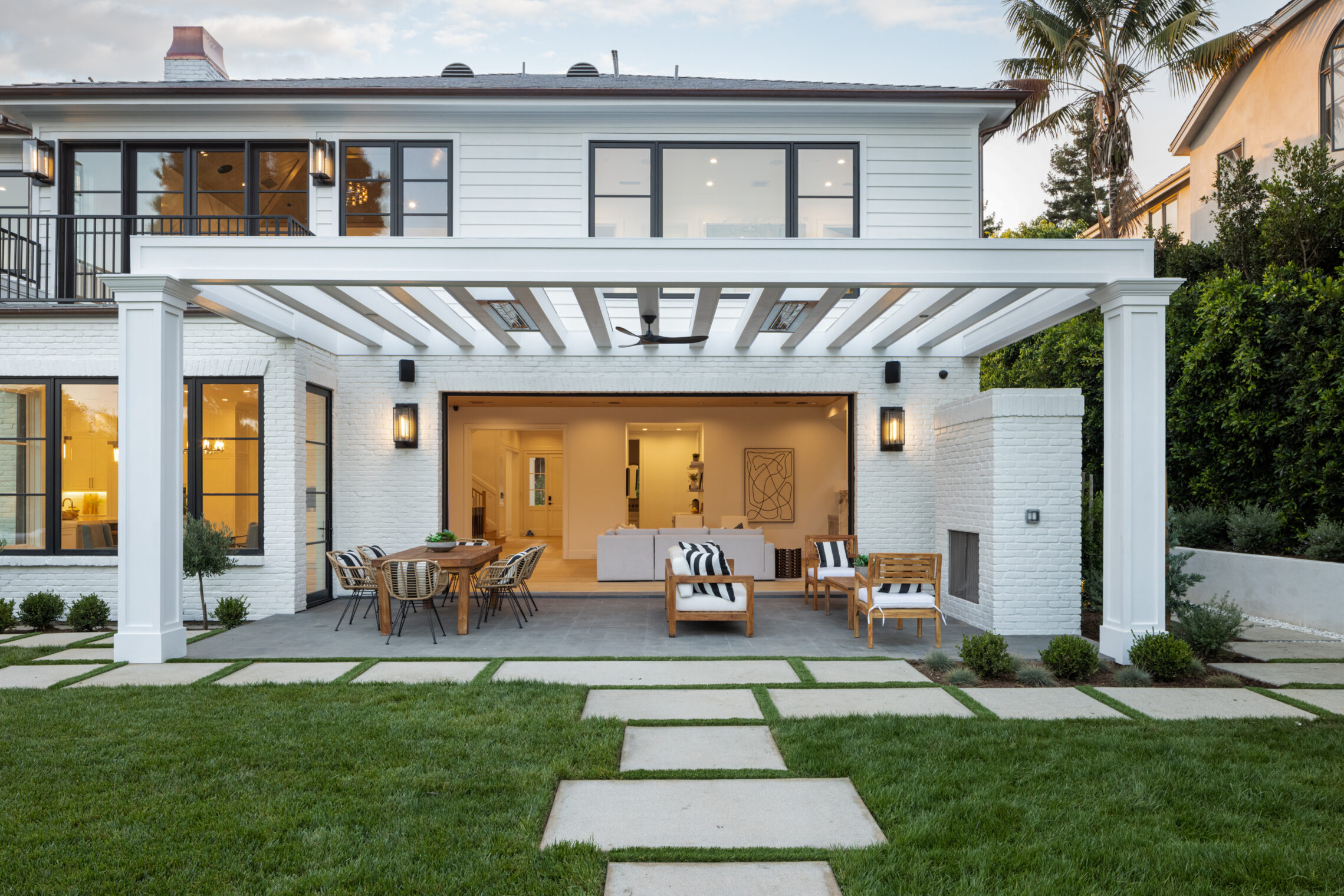
If you have started researching the cost to build custom luxury home projects on the Westside, you have likely found a wide range of answers. Some sources give national averages. Others quote cost-per-square-foot numbers without explaining what those figures include.
That can make early planning difficult.
A custom home in Brentwood, Pacific Palisades, Malibu, Santa Monica, or Venice does not follow the same cost profile as a standard new build in another market. Site conditions, design expectations, code requirements, and labor costs all influence the final number.
The goal here is to give you a clearer view of what drives cost on the Westside. With that context, you can review early estimates with better questions and a stronger understanding of what each number represents.
Why Westside Custom Home Costs Are Different From the National Average
National cost averages rarely reflect the reality of building on the Westside of Los Angeles. The market has its own labor conditions, site challenges, and regulatory requirements.
Labor and trade costs in Los Angeles rank among the highest in the country. Skilled trades, specialty installers, and experienced site crews command higher rates, especially on detailed custom homes.
The land itself also affects cost. A flat suburban lot and a hillside property in the Palisades require very different construction strategies. Hillside lots may need engineered foundations, retaining walls, drainage systems, and more complex staging. Coastal exposure also influences material selection and exterior detailing.
California building codes add another layer. Recent wildfire regulations require specific materials and construction methods. Many homes now include upgraded vents, fire-resistant assemblies, and additional safety features.
These conditions mean national averages offer limited value when planning a Westside custom home. A realistic budget should account for local labor costs, site demands, code requirements, and the level of construction expected in this market.
How Much Does it Cost to Build a Luxury Home on the Westside?
As a general starting point:
- Entry-level custom construction on a straightforward lot may range from $650 to $850 per square foot.
- Mid-range custom construction with quality finishes and moderate site complexity may range from $850 to $1,000 per square foot.
- High-end custom construction with premium materials, complex engineering, and full design-build coordination may range from $1,000+ per square foot.
The figures above primarily refer to hard construction costs. They do not include land, design fees, permits, surveys, consultant fees, or contingency.
That distinction is important. If you’re comparing bids, you might see a lower number and assume the total project cost will be lower. In many cases, that number excludes important expenses that appear later.
The final luxury home build cost depends on how completely the project has been priced. For fire rebuild cost specifically, see How Much Does a Fire Rebuild Cost in Pacific Palisades?
Cost to Build a Custom Luxury Home: What’s Actually Included in That Number and What Isn’t
The cost of building a custom luxury home includes more than just labor and materials. Before comparing estimates, it helps to know what each number covers.
A realistic budget usually includes:
- Hard Costs: Materials, labor, subcontractors, and construction work.
- Soft Costs: Architecture, engineering, permits, surveys, inspections, and consultants. These often add 15% to 25% of the construction budget.
- Site Costs: Demolition, grading, foundation work, utility upgrades, retaining walls, and drainage. These depend on the property.
- Contingency: A reserve for unknown conditions, pricing changes, or design adjustments. Many budgets include 10% to 15%.
- Land: Land is separate from construction cost. On the Westside, it can be the highest cost.
Understanding why cost per square foot is a misleading metric is important before comparing bids. See What Is “Cost Per Square Foot” and Why Is It Misleading?
What Drives the Cost of a Custom Luxury Home?
Several project variables can increase cost by hundreds of dollars per square foot. Such factors deserve close attention before design decisions become fixed.
Lot type matters first. Flat lots usually allow more direct construction. Hillside lots may require engineered foundations, retaining systems, drainage work, and difficult staging.
Site access also affects cost. Canyon roads, narrow streets, and coastal properties can complicate deliveries. Crews might need smaller trucks, additional staging, or more careful sequencing.
Design complexity has a clear cost impact. A simple rectangular structure costs less to build than a multi-level home with cantilevers, large spans, or complex roof geometry. Every structural decision affects labor, engineering, and material use.
Material specification also moves the budget. The gap between basic finishes and high-end materials compounds across a large home. Flooring, windows, stone, cabinetry, hardware, and lighting all carry cost consequences.
Fire resilience now plays a major role in many Westside projects. Class A roofing, non-combustible cladding, tempered glass, ember-resistant vents, and defensible space planning can add cost. They also support long-term safety and performance.
On whether fire-resilient features add high cost, see Do Fire-Resistant Homes Cost Significantly More?
How the Builder You Choose Affects the Final Cost to Build Custom Luxury Homes
The builder you choose can affect the final cost in ways that may not show up in the first estimate.
In a fragmented project, the architect, engineer, and general contractor often work under separate agreements. Each team may do strong work. Still, every handoff creates room for missing details. A design note may not carry into pricing. A structural requirement may appear after the budget is set. A construction detail may need revision once the builder reviews the plans.
These gaps often lead to change orders. An early low estimate can prove costly when it does not reflect the full scope of work.
Design-build teams can support more accurate early budgets. The same team that helps plan the home also evaluates how it will be built. Design choices can be reviewed against construction methods, material availability, and schedule requirements while changes are still manageable.
Procurement also affects cost certainty. Builders with stronger supply systems can track material pricing and availability more closely. That matters when demand is high or market pricing shifts.
The earlier construction knowledge is incorporated into the design process, the easier it becomes to identify real costs before major commitments are made.
On why cheap bids often end up costing more, see Why Do Cheap Bids Often End Up Costing More?
Financial Options Worth Understanding Before You Budget
Custom home budgets often extend beyond construction pricing. As a homeowner, you should understand several financial questions before approving a design scope.
Property taxes may change after a new build or major rebuild. The exact impact depends on the property, the scope of work, and applicable local rules.
Some homeowners affected by wildfire damage may also explore disaster-related financing. SBA disaster loans can apply in specific cases, depending on eligibility and program rules.
Aid programs may also support certain wildfire rebuild efforts. These programs can change over time and often depend on location, damage status, and government funding.
Such financial topics deserve early attention as they shape the budget before design work advances too far.
What a Realistic Budget Conversation Looks Like
A useful budget conversation should happen before final drawings. Once plans are complete, many costly decisions have already been made.
Homeowners should ask for an early cost estimate before finalizing the design scope. This helps the team compare design goals with likely construction costs while there is still room to adjust.
Soft costs should also be reviewed early. Architecture, engineering, permits, surveys, and consultants can account for a large share of the total budget. Accounting for them upfront helps prevent budget pressure later.
Every serious budget should include contingency. A range of 10% to 15% gives the project room for site conditions, pricing changes, or scope adjustments.
It also helps to ask each builder how they manage scope changes. A clear answer can tell you more than the first estimate. It shows how the builder communicates when changes affect cost or timing.
If you are trying to understand what a project like yours may cost, contact Westside Build to discuss your property, project goals, and early budget planning.